Wellness Guide
Practical support and honest advice for women embracing life after fifty.
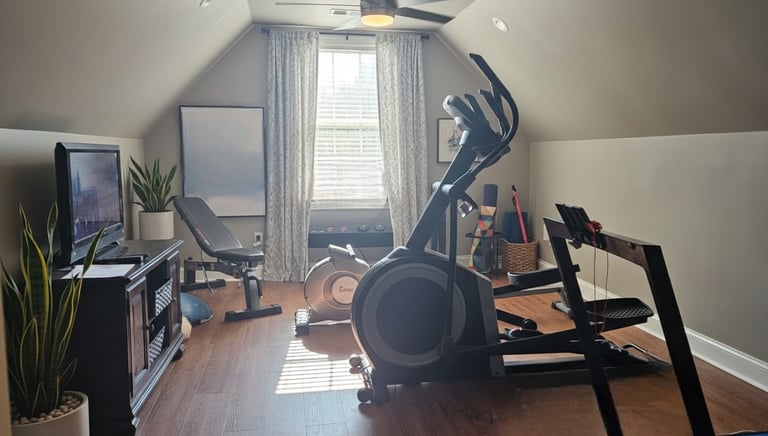
Home Gym Benefits
After 50, fitness becomes less about intensity and more about supporting strength, mobility, balance, and energy for everyday life. We want to feel capable in our bodies—at home, on the go, and in the moments that matter most. A home gym makes consistency easier for my busy schedule. When your workout space is just steps away, even 15–20 minutes of movement counts. That consistency—not perfection—is what helps protect muscle, bone health, metabolism, and long-term independence. Strength training is especially important after 50, but gyms can feel intimidating or inconvenient. At home, you can move at your own pace, focus on proper form, and adjust workouts for your body’s changing needs in a comfortable, judgment-free space.
Simple Home Workout Tips That Work
You don’t need complicated routines to see results. Focus on the basics:
Aim for 2–3 strength workouts per week, using dumbbells, resistance bands, or bodyweight exercises.
Prioritize compound movements like squats, seated rows, chest presses, and step-ups to work multiple muscles at once.
Add balance work a few times a week—standing on one leg, heel-to-toe walks, or gentle yoga can make a big difference.
Include daily movement, such as walking, stretching, or light mobility work, even on non-workout days.
Listen to your body and rest when needed—progress comes from consistency, not pushing through pain.
A home gym also supports stress relief and better sleep, turning movement into an act of self-care rather than another obligation. At Flourish at Fifty, we believe wellness should feel realistic and empowering. A home gym isn’t about doing more—it’s about making movement easier, more consistent, and more enjoyable—so you can continue to flourish at every stage of life.
New Food Group Guidelines
1. “Eat Real Food” and Limit Highly Processed Foods
The newest guidelines strongly urge people to avoid highly processed and refined foods—like sugary snacks, packaged ready-to-eat meals, and products with artificial additives—because these are linked with chronic diseases and offer little nutritional benefit.
2. Protein Is a Major Focus
Protein has a more prominent place in the updated recommendations. Nutrient-dense proteins—including meat, dairy, seafood, beans, lentils, nuts, and seeds—are emphasized at every meal. Overall recommended protein intake has increased compared with past guidance.
3. Fruits, Vegetables & Whole Grains Still Core
The guidelines continue to stress the importance of fruits and vegetables daily, as well as whole grains. This supports fiber, vitamins, and minerals that help overall health and disease prevention.
4. Dairy Remains a Food Group
Dairy continues as one of the core food groups, and full-fat dairy with no added sugars is recognized as an acceptable choice within a balanced diet.
5. Healthy Fats Are Included
Healthy fats from whole-food sources (like olive oil, avocados, nuts, seafood) are part of the recommended diet, though overall saturated fat intake is still advised to be limited to support heart health.
6. Added Sugars & Alcohol Are More Restrictive
The guidelines recommend that added sugars be minimized, suggesting no amount is considered part of a healthy diet and even limiting added sugars per meal. Alcohol guidance is more general—urging reduced consumption for better health.


Inexpensive Home Gym Items I Love
4. Increases calorie burn efficiently A vest raises energy expenditure without increasing impact. Useful for weight management when metabolism slows You get more benefit from the same walk
5. Supports posture and functional strength Many women develop forward-head posture and weaker backs with age. A properly fitted vest encourages upright posture Strengthens muscles used for real-life tasks (carrying groceries, climbing stairs) ---
How to use one safely (this matters) If done wrong, a vest can cause joint or back problems. Follow these rules: Start light: *5–10% of body weight** Use it for *walking, stairs, bodyweight exercises** Limit to *20–40 minutes** Avoid if you have untreated joint pain, disc issues, or balance disorders Increase weight slowly over weeks, not days
Bottom line A weighted vest isn’t about “working harder.” It’s about working smarter—using daily movement to preserve bone, muscle, balance, and independence as the body changes with age.
Full recommendation of products I use on products page.
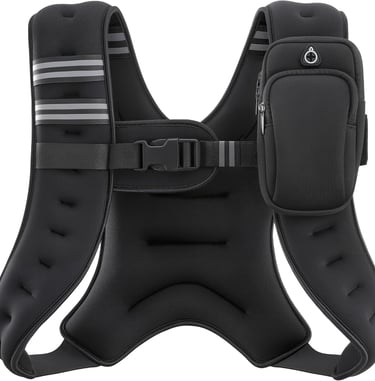
Women might choose to wear a weighted vest because it adds safe, practical resistance to everyday movement—and that can directly counter some of the biggest physical changes that happen around midlife.
Here’s the straight, evidence-based reasoning.
1. Protects bone density After menopause, bone loss accelerates due to lower estrogen. A weighted vest adds load-bearing stress, which signals the body to maintain or build bone—especially in the hips and spine, where fractures are most dangerous. This mimics the benefits of strength training Particularly useful for osteoporosis prevention
2. Preserves muscle and strength Starting in your 40s and 50s, muscle mass declines (sarcopenia). A vest turns walking, stairs, and daily tasks into *light resistance training** Helps maintain leg, core, and postural muscles without needing a gym
3. Improves balance and fall resistance Falls are a major risk after 50. Weighted vests can improve proprioception (body awareness) Strengthens stabilizing muscles, which helps prevent falls When used correctly, it trains the nervous system to handle load safely
Are There Benefits To Wearing a Weighted Vest?
Affiliate disclosure: Some links may earn a small commission at no extra cost to you here...
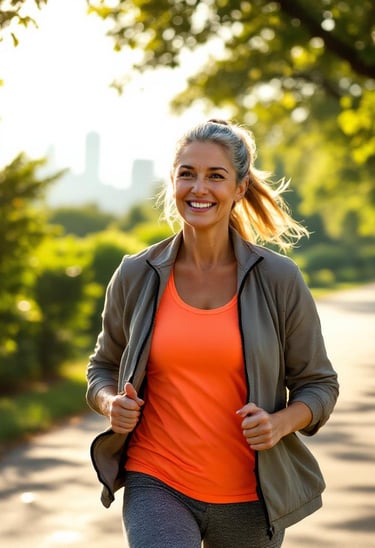
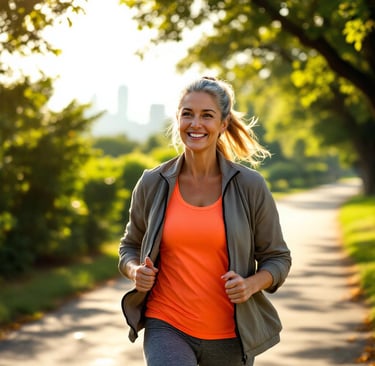
The number of steps you should aim for depends on your fitness level, health goals, and lifestyle, but here are some general guidelines:
General health:
7,000–8,000 steps/day is often recommended for adults over 50 for overall health benefits.
This supports cardiovascular health, maintains mobility, and helps with weight management.
Weight management or increased fitness:
10,000 steps/day is a common target.
It can improve endurance, calorie burn, and metabolic health, but it’s okay to start lower and gradually increase.
Sedentary lifestyle:
If you currently walk less than 5,000 steps/day, start with small goals (e.g., 5,000–6,000 steps) and slowly build up.
Even 3,000–4,000 extra steps/day above your baseline can make a big difference.
Intensity matters too:
Brisk walking (about 100 steps per minute) is more beneficial than slow strolling.
Aim for at least 150 minutes of moderate-intensity activity per week, which can include your steps.
💡 Tip: Don’t stress about hitting a magic number. Consistency, brisk walking, and enjoying movement are more important than exact step counts.
If you’ve ever wondered whether you’re drinking enough water—or felt confused by all the hydration “rules” floating around—you’re not alone. Somewhere between raising families, building careers, and caring for everyone else, many of us stopped paying attention to our own thirst cues. And after fifty, that matters more than ever. The simple answer: For most women at fifty and beyond, a good daily goal is about 8–10 cups (64–80 ounces) of fluids per day. This includes water, herbal tea, and water-rich foods like fruits and vegetables. You may need more if you exercise regularly, live in a warm climate, drink caffeine or alcohol, or take certain medications. On active days, many women feel best closer to 90 ounces. Why hydration changes after 50: As we age, our sense of thirst naturally decreases. That means we can become mildly dehydrated without realizing it. Proper hydration supports:
Energy levels and stamina
Joint comfort and mobility
Digestion and regularity
Brain clarity and focus
Skin health and circulation