Should Women Over 50 Use Collagen?
As we move through our 50s and beyond, our bodies naturally change, and collagen plays a quiet but important role in how we feel and look during this season. Collagen is the most abundant protein in the human body. It’s found in our skin, hair, nails, joints, bones, muscles, and connective tissues. Collagen helps keep skin firm, joints cushioned, and bones strong.
The challenge? Around our mid-20s, collagen production begins to slow. By the time we reach menopause, that decline accelerates due to hormonal changes—especially the drop in estrogen. This can show up as thinner skin, more wrinkles, joint stiffness, muscle loss, and even changes in hair and nails.
Collagen supplements aren’t magic, but research does suggest they may help support skin hydration, joint comfort, and nail strength when used consistently. What I love most is that collagen is gentle. It’s not about trying to look younger—it’s about supporting our bodies as they change. When paired with good nutrition, movement, sleep, and sun protection, collagen can be a simple addition to a wellness routine. My biggest takeaway? Listen to your body. What works for one woman may not work for another—and that’s okay. Aging well isn’t about fixing ourselves. It’s about caring for ourselves with intention, grace, and honesty.


While collagen isn’t a miracle cure, research does suggest some promising benefits—especially when used consistently.
Studies show collagen peptides may help improve skin hydration and elasticity and may soften the appearance of fine lines over time. Many women notice their skin looks a bit more “plump” or feels more hydrated after a few months. Collagen may help support joint cartilage and reduce discomfort, particularly when paired with regular movement like walking, strength training, or gentle stretching. Some women report stronger nails and less breakage. Hair growth varies, but collagen provides amino acids that support keratin, the protein that makes up hair. Emerging research suggests collagen may play a role in bone health when combined with calcium, vitamin D, and resistance exercise—important considerations as we age.
Most collagen supplements come in the form of hydrolyzed collagen peptides, which are broken down for easier absorption. You’ll find them as powders, capsules, or added to drinks and foods. Consistency matters more than quantity. Many women don’t notice changes right away—benefits often show up after 8–12 weeks of daily use. A helpful tip: collagen works best when your body also has enough vitamin C, which helps with collagen synthesis.
Supplements can help, but your body also needs the right nutrients to make collagen. Protein-rich foods, vitamin C, zinc, and copper all play a role such as; lean meats, eggs, citrus fruits, berries, leafy greens, nuts, and seeds. Enjoying bone broth or collagen-rich foods, Protecting your skin from sun damage, Staying active and strength training, and Prioritizing sleep and stress management. Collagen is not a replacement for good nutrition—it’s a complement.
Wellness after 50 isn’t about fixing yourself—it’s about nourishing, strengthening, and honoring this season of life. Collagen may be one small, helpful piece of that journey. If you’re curious, start slow, stay consistent, and pay attention to how your body responds. You’re worth the care
Simple Peanut Butter Chocolate Protein Shake Recipe We Love
8 oz (1 cup) unsweetened almond milk
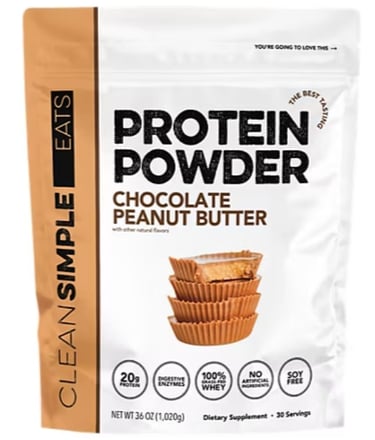
1 scoop Clean Simple Eats peanut butter chocolate protein powder
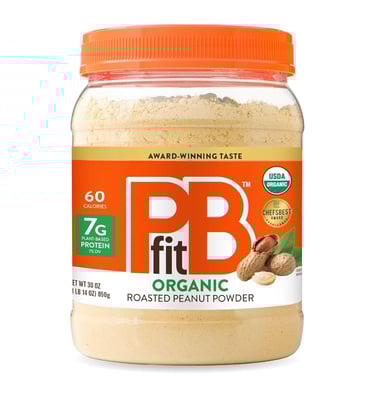
1 scoop PBfit All‑Natural gluten‑free peanut butter powder
½ medium banana (optional)
1 scoop of collogen (optional)
Affiliate disclosure: Some links may earn a small commission at no extra cost to you here...
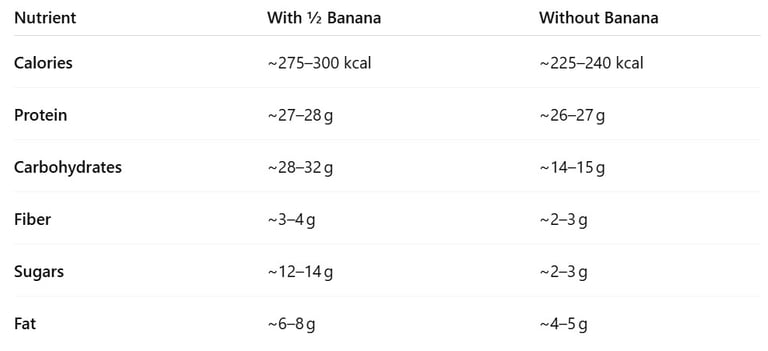
Here’s a clear side-by-side comparison of your smoothie with and without the half banana:
Key Takeaways:
Adding the banana boosts carbs and natural sugars, giving more quick energy and a slightly sweeter flavor. Protein remains high either way, making it excellent for muscle support and satiety. Fat content is modest in both versions, mostly from the PBfit and protein powder.
👍 High protein boost: ~27–28 g helps support muscle maintenance and recovery.
🌿 Moderate carbs: Balanced between banana and powders to fuel your day.
💪 Low fat and low sugar (added): Mostly from natural sources.
Blending this into a smoothie with a handful of ice or some spinach doesn’t change the macros much but adds hydration and micronutrients! Removing the banana cuts about 50–60 calories and most of the natural sugars and carbs.
You still get a high protein, low sugar shake that’s great for muscle maintenance or a post-workout snack.
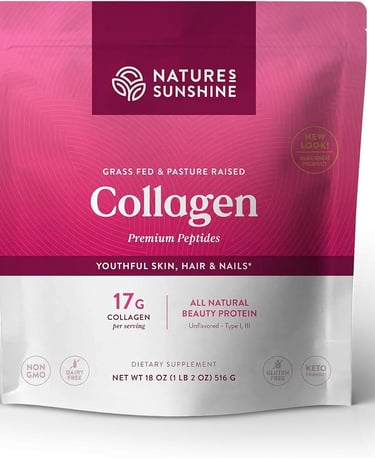
Add a scoop of collogen for extra benefits!
